
Patient Education
Will I Need a Bone Graft for Dental Implants
A bone graft, or bone augmentation, for dental implants ensures a strong and secure hold for the artificial tooth before placing the implant. Bone grafting rebuilds density in the jawbone after the loss of bone occurs, which commonly results after tooth loss. Although a bone graft procedure may not be a desirable experience, it makes a massive difference in the long-term results of the dental implant process.
Our team offers a bone graft for dental implants when necessary, along with providing assistance and treatment throughout the entire dental implant process. There is no reason to live with the insecurity of a missing tooth or several teeth. We can help restore the appearance of one’s smile and the function of the teeth.
To learn more about a bone graft for dental implants, give us a call at (909) 987-7676 to schedule a consultation visit.

Bone Grafting for Dental Implants
The Centers for Disease Control and Prevention, CDC, states that nearly 1 in 5 adults aged 65 or older has lost all of their teeth. It is essential to restore lost bone in the jawbone through bone graft treatment after tooth loss. By completing this procedure, it can help to ensure a future implant and artificial tooth are properly supported long-term. A bone graft is a procedure to rebuild lost bone inside the jaw and recommended for patients who experience loss of bone density as a result of tooth loss.
Good candidates for a bone graft include those who are planning to undergo implants for missing teeth, those with tooth loss or gum disease, and those with bone loss. While the jaw and gums support natural teeth, the teeth also help to stimulate the jawbone. When tooth loss occurs, the supporting bone loses its primary purpose, and the process of resorption begins. This process occurs when the body absorbs calcium from the jawbone and distributes it to other areas of the body.
The lack of calcium in the jawbone makes it more difficult to support the implant. Resorption will also mean there is less bone that can bond with the titanium implant and help to solidify a firm hold of the implant. The purpose of a bone graft procedure is to rebuild bone density that may have become lost after the natural tooth becomes lost.


When Bone Grafting Is Necessary
A dentist typically uses a thorough oral examination and X-rays to determine if a bone grafting procedure is necessary for dental implants. The jawbone commonly loses density as a result of unreplaced missing teeth. Bone is preserved by the pressure and stimulus caused by chewing, but when no tooth is present, the jawbone is no longer stimulated and starts to deteriorate. It is important to correct bone deterioration as it can cause more damaging complications, such as tooth loss. Dentists perform bone grafts using bone from the patient’s body, usually from the back of the jawbone.
Signs That Indicate a Bone Graft Is Necessary
There are two primary signs the dentist may look for when determining if a bone graft is necessary. The first sign is the thickness of the bone inside the jaw. The second sign is how soft or hard the existing bone is. If the bone inside the jaw is thin, then we will likely recommend a bone graft. If the bone is soft, then a minor bone graft might be required to strengthen the bone and provide additional support for the implant. According to Mayo Clinic, periodontitis damages the soft tissue, destroying the bone that supports your teeth, so gum disease is a sign of potential bone loss as well.
How Bone Grafting Works
There are different types of bone grafts, including autograft, allograft, xenograft, and an alloplastic graft. The majority of procedures use real bone, although a synthetic bone material is used for an alloplastic graft. The steps involved depend on the type of bone grafting procedure. It typically involves taking either natural bone or a synthetic bone material and placing it into the jawbone above the missing tooth through a minor surgical procedure. The bone must then heal and fuse with the existing bone in the area, which typically takes two to three months.
Bone grafting is a fairly common procedure. A 2016 study found that nearly half of 800 people with dental implants required a bone graft prior to implantation. A bone graft is beneficial for patients as it provides additional support to the dental implant. Otherwise, the dental implant placement process may have a higher risk of failure. The bone augmentation can improve the appearance, function, and oral health of the patient.


What to Expect After the Procedure
Although patients differ in their condition, oral health status, and recovery, there are various ways to help the jaw heal faster. Bone grafting may result in swelling, bruising, and minor bleeding of the gums after the procedure. To recover as quickly as possible, stick to soft foods and avoid dark beverages or sugary drinks. Along with that, it is essential to practice good oral hygiene through a gentle brushing and flossing routine and using mouthwash.
We encourage patients to look for a qualified oral surgeon or implant specialist as they are most skilled at bone graft procedures. It is important that patients play an active role in their oral health and understand their treatments as well as who is performing them. As your dentist about their experience with bone grafting and how successful their treatments were. It may be a good idea to look at before-and-after testimonials and patient reviews online prior to scheduling a consultation.
Alternative Options
Although bone grafting may be the only procedure available for single-tooth implants, there are a few alternative options for those seeking full arch or full mouth dental implants. These options include a full arch prosthesis or a zygomatic prosthesis.
Full arch prostheses are fastened to the jaw using 4 to 6 implants that provide adequate security. For this procedure to work, the patient must have 4 to 6 areas of sufficient bone to effectively place the implant arch. Zygomatic prostheses are long implants embedded in the zygoma, or cheekbone, as opposed to the jawbone. Since the implant is not attached to the jaw, a bone graft is not necessary even for patients with low bone density. A review of 2,402 Zygomatic implants showed a success rate of 96.7% over a 12-year period. Zygomatic implants are found to be the safest, most effective procedure in oral surgery.

Real Results
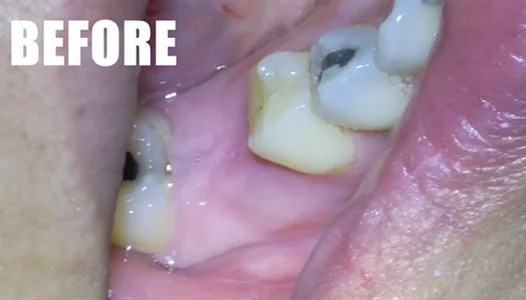
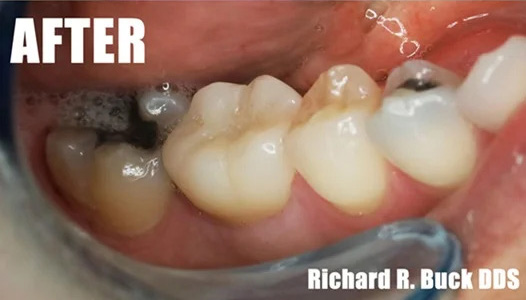
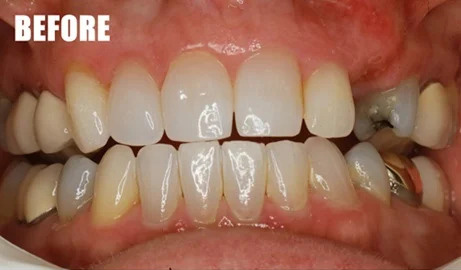
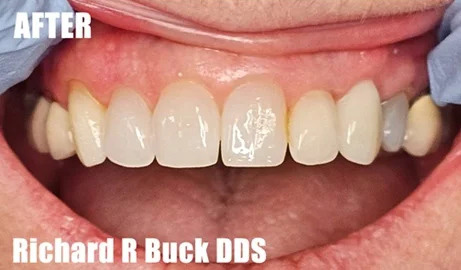
Before & After
A few results from real Baseline Dental patients.


Frequently Asked
Common Questions
Have a question we did not answer here? Our team is happy to help you understand your options.
How do platelet-rich plasma and bone morphogenetic protein improve bone growth?
Your dentist may recommend platelet-rich plasma and bone morphogenetic protein as a way to help regenerate and strengthen bone in the bone grafting process. Platelet-rich plasma may also increase the healing time after the procedure.
What qualities should I look for in a dental professional who offers bone grafting?
Experience is always an advantage when choosing a bone grafting specialist, but it is not the only factor to consider. It is helpful to have a conversation with the professional and ask questions about their education and training. You can also ask for more information about how the process works and who else will assist in the treatment process.
What possible options might a dentist recommend aside from bone grafting?
If the patient intends to replace a damaged or loose tooth with a dental implant, then tooth extraction is necessary. A dentist may also recommend treatment for periodontal disease in addition to a bone grafting procedure, along with filling and repairing any eroded or damaged teeth.
How long does a bone grafting procedure take?
The length of bone augmentation is dependent upon the type of procedure(autograft, alloplastic, and more.), the location of the bone graft, and various other factors. However, it is typically a routine procedure that does not take more than several hours at most. The patient can return home soon after the process is complete.
How much does bone grafting cost?
The cost of bone grafting depends on the patient’s case, the severity of their condition, and the type of bone graft being performed. On average, bone grafting can cost between $200 to $1,200 per graft. We encourage patients to speak with their insurance provider to find out what their plan covers and learn about any copays that the procedure may entail.
Call Us Today
We offer bone grafting for dental implants and help patients through the process. If you are interested in learning more about bone grafts as well as the implant process in general, then get in touch with us at (909) 987-7676 today.
Glossary
Dental Implant Terminology
Abutment
An abutment is a component that attaches to the dental implant so a professional can place a dental crown to provide patients with an artificial, aesthetically pleasing and fully-functional smile.
Bridge
Multiple replacement teeth that are fixed in place via attachment to dental implants, natural adjacent teeth, or a combination of the two.
Dental Crown
A crown is an artificial tooth, usually consisting of porcelain, which covers the top of the implant to provide people with an aesthetically pleasing and fully-functional tooth.
Dental Implant
A dental implant is an artificial tooth root that is placed into your jaw to hold a replacement tooth or bridge. Dental implants may be an option for people who have lost a tooth or teeth due to periodontal disease, an injury, or some other reason.
Endosteal (endosseous)
Endosteal is a type of dental implant that a professional places in the alveolar and basal bone of the mandible that transcends only one cortical plate.
Eposteal (subperiosteal)
Eposteal is a type of dental implant that conforms to whichever edentulous surface of an alveolar bone is superior.
Implant-Supported Bridge
An implant-supported bridge is a dental bridge that professionals fix in place with the use of dental implants inserted in the jaw to create a sturdy set of artificial teeth.
Osseointegration
Osseointegration is the process in which a titanium dental implant fuses with the surrounding bone over several months after an oral health professional places the implant in the jaw.
Periodontal
Literally “around the tooth”
Resorption
Resorption is the process in which the body absorbs the calcium from the jaw since there are no tooth roots to cause the necessary stimulation and proceeds to use the calcium in other areas.
Transosteal (transosseous)
Transosteal is a type of dental implant that includes threaded posts which penetrate the superior and inferior cortical bone plates of the jaw.
Helpful related links: American Dental Association (ADA). Glossary of Dental Clinical Terms. 2022 · American Academy of Cosmetic Dentistry® (AACD). Home Page. 2022 · WebMD. WebMD’s Oral Care Guide. 2022
Keep Learning
Related Topics
Loved by Our Patients on Google
Read what our patients say about their experience at Baseline Dental Practice, or share your own.
Posted on Google
 Dan Greaves
Trustindex verifies that the original source of the review is Google.
Great Dental Practice! This team has walked me through many dental changes and challenges. They were wonderful throughout! Yesterday I had my semi-annual check and cleaning. As always they did a great job; it was a positive, friendly, and professional experience. Maddie was great! the office team as well.Posted on Google Tom GreenAlways great care and great peoplePosted on Google
 Garrett CurlHuge thanks to Dr. Buck and Dani for helping me this week. I had major tooth pain, and they got me in ASAP to assess and promptly handle my root canal. The work was painless and they made the experience pleasant. I highly recommended coming here!Posted on Google
 Tim NorrisMy wife and I have been coming to Baseline Dental for maybe 14 years. My wife bought her Invisalign here +/- 10 years ago. It was a big investment for us and we are VERY happy with the service we received. Dr Buck and Dr Hernandez are great. Heidi, Mary, and the whole crew at the front are the stars of the show. Everyone on the team has always been awesome, patient and knowledgeable. They always make us feel special. Thank you for going out of your way to always make us feel comfortable.Posted on Google
 F. CarStaff are friendly and helpful. My dental needs with the Invisalign process were highly met. I am very satisfied with my results. Highly recommend Baseline Dental.Posted on Google
 Paul JohnsonWonderful cleaning, excellent experience, the doctors consultation was detailed and they gave me pricing on choices. I will continue to use this dentist and hygienist.Posted on Google
 Danielle PriceI absolutely LOVE Baseline Dental. Doctor Hernandez and Doctor Buck are the BEST! The hygienists are so friendly and thorough. The staff is top-notch! Everyone is so helpful and welcoming, they actually make going to the dentist enjoyable. Love their Smile program which allows me to still go here, even without insurance, for a reasonable annual fee. I get my regular cleanings, x-rays and exam, plus a discount on any other services I may need. I highly recommend Baseline Dental. You will not be disappointed!Posted on Google
 barbara mikolaskoThe dental hygienist did an amazing job cleaning my teeth. She was detailed, personable and professional. I highly recommend her to anyone looking for an excellent dental hygienist.Posted on Google
 sandy ngThe teeth cleaning here is the best. I have been helped by 4 different hygienists for over 10 years and they are all great. Dr. Buck is my favorite dentist.